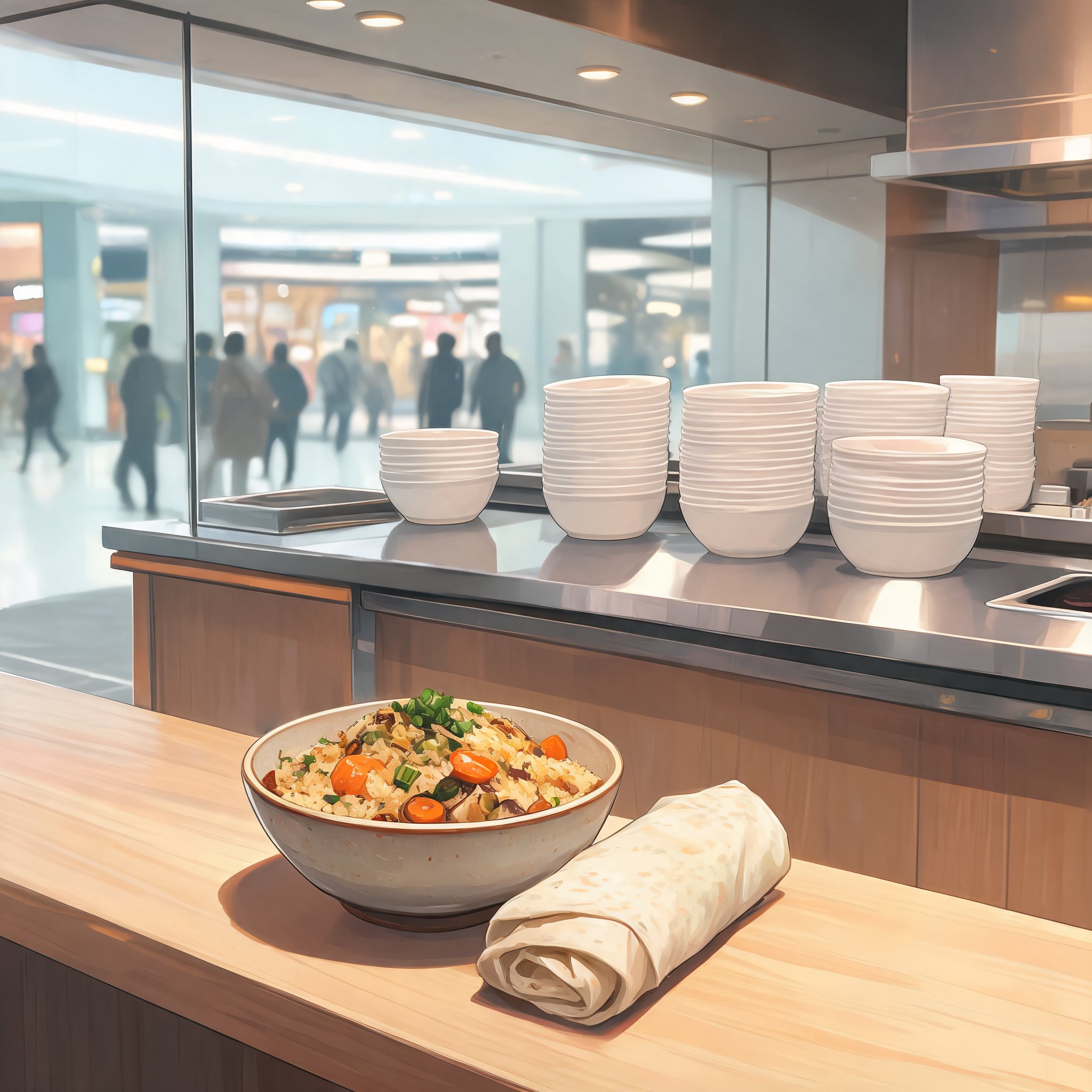
Benihana is taking its fast-casual Benihana Express format national through a licensing program aimed at high-traffic sites in both traditional and nontraditional locations.
The concept is designed for footprints of roughly 800 to 1,000 square feet, and the company describes it as built for flexibility, operational simplicity and scalability. The menu features made-to-order hibachi rice bowls, hibachi burritos and other items. The licensing plan was announced on Nov. 20.
How leadership frames the opportunity
Emanuel “Manny” Hilario, president and CEO of Benihana parent The ONE Group, said Express gives the company a way to extend the brand's food to more guests, in more locations and more often. He argued that the flexible footprint, streamlined operating model and broad consumer appeal give the company confidence that the format can become a significant growth engine and a cornerstone of an asset-light expansion strategy.
Those are the company's stated expectations rather than measured results. The announcement did not include unit-level sales, development costs, licensing fees, partner criteria or a target for how many licensed Express units the company intends to sign.
Openings so far and what comes next
Two company-owned Express units are operating, in Miami and Denver. By the end of this year, the brand expects to open a third company unit at Topanga Mall in Canoga Park, Calif., along with a licensed store in Islamorada, Fla. Benihana's website also lists an additional Express unit in Las Vegas as “coming soon.”
The announced pipeline therefore mixes company-operated and licensed units, and licensing is the route by which the brand plans to reach high-traffic sites beyond the locations it opens and runs itself.
What the format changes
At 800 to 1,000 square feet, Express is a small footprint, and the streamlined operating model is meant to make sites in malls and other busy venues workable. The menu is correspondingly focused, built around made-to-order hibachi rice bowls and burritos. The format carries hibachi cooking into a quicker-service setting.
Licensing lets a brand extend into new markets through partners who operate the format, an approach that generally reduces the capital a company must commit to each opening. That fits the asset-light language Hilario used, although Benihana did not detail the terms partners would operate under.
Whether the smaller footprint and simplified operation deliver the growth the company projects will depend on execution at partner sites, a question the announcement leaves open. Benihana has not said when the national licensing program will begin signing partners or how quickly licensed units are expected to follow the announced openings.