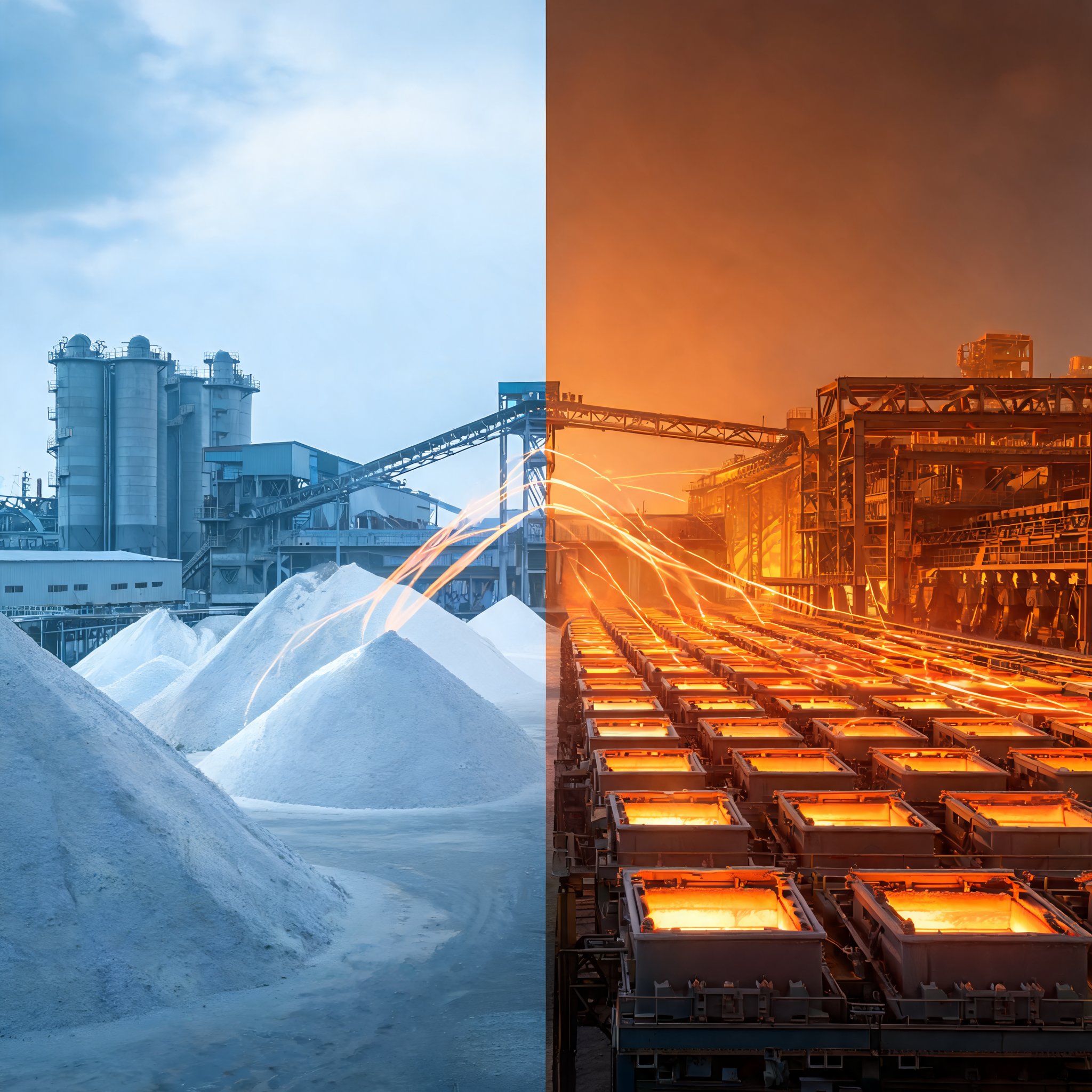
Nanshan Aluminium International Holdings has reported that overseas alumina prices averaged around $321 per tonne in the first nine months of 2026, about 22% lower than in the same period of 2025. The figure reflects a weak first half followed by a recovery in the third quarter, the company said in an update on the unaudited nine-month results of its controlling shareholder, Shandong Nanshan Aluminium Co., Ltd.
The update, covering the period ended September 30, 2026, said overseas alumina prices stayed low through the first half before improving in the third quarter. The recovery was supported by the commissioning of overseas electrolytic aluminium smelters, which raised expected demand, and by production constraints at some alumina refineries.
Even with the third-quarter improvement, the January–September average remained about $321 per tonne, 22% below the prior-year level. Nanshan said the figures illustrate the competing forces in the alumina market: additional demand linked to aluminium smelting capacity and tighter supply from some refineries.
The company noted that Shandong Nanshan Aluminium's unaudited financial and operational results were prepared under Chinese accounting standards and may not be directly comparable with Nanshan Aluminium International's statements, which use Hong Kong Financial Reporting Standards. It advised shareholders and potential investors to exercise caution when trading its shares and not to place undue reliance on the unaudited information.
Nanshan said the overseas alumina price trend remains an important indicator for the aluminium value chain as the year progresses, particularly as changes in smelting demand and refinery supply continue to steer the market.