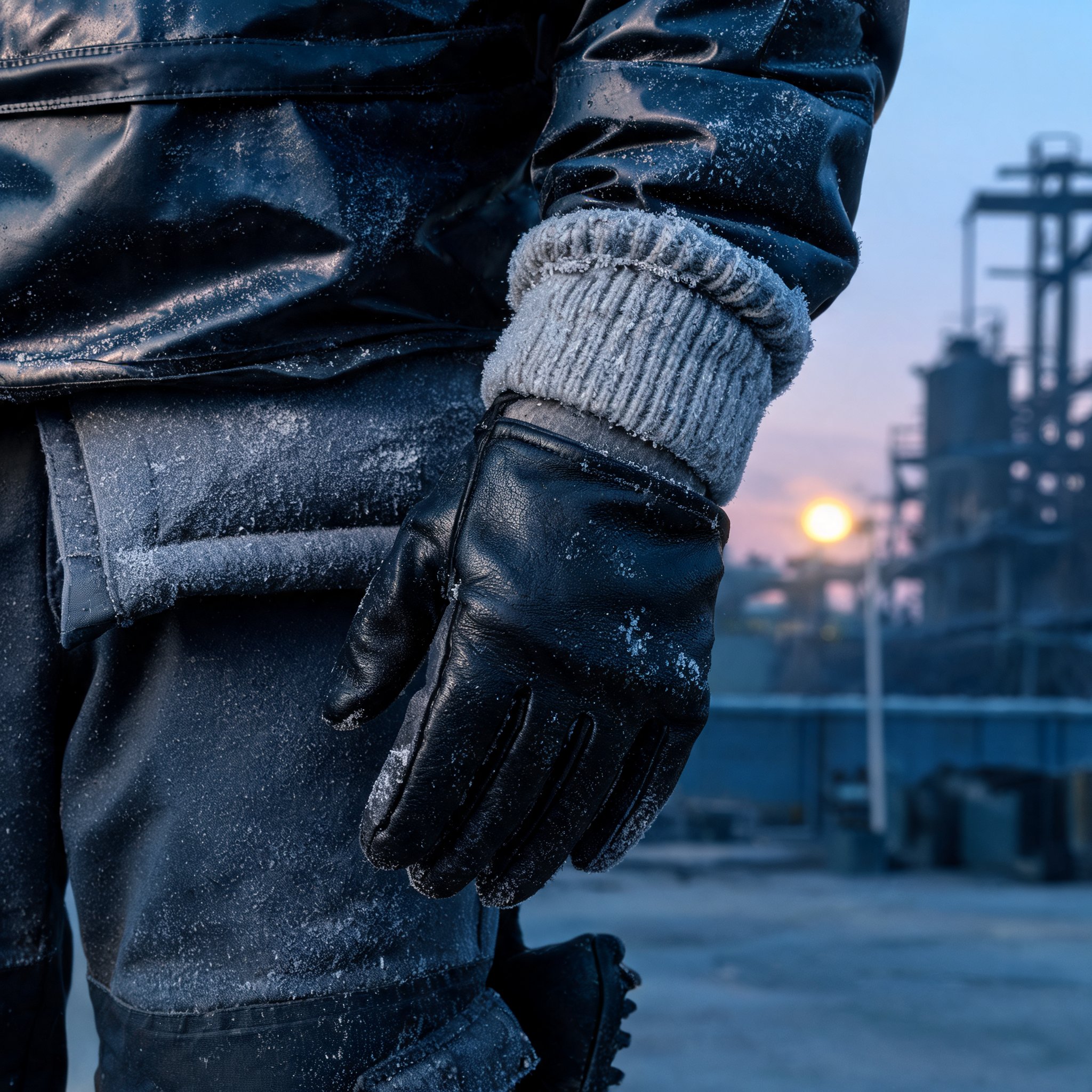
Outdoor work in winter can raise risks for employees when personal protective equipment is selected or combined incorrectly, according to CWS Workwear. The workwear supplier identifies five typical protection gaps in a current guide.
Shorter daylight hours, wet conditions and frost change the hazard profile at many outdoor workplaces. Yet PPE is often not adjusted to those conditions, CWS Workwear International GmbH, based in Dreieich, notes. The company says the gaps frequently emerge from the way clothing layers interact rather than from a single item.
Individual garments may be certified, but the combination actually worn may not meet the requirements of the relevant standards, according to the guide. This distinction matters for employers and workers selecting winter protective clothing: compliance of separate components does not automatically establish compliance of the assembled system.
Layer combinations under review
The guidance frames winter PPE as a coordinated system. Selection and combination should therefore be checked together, especially where wetness, cold and limited daylight alter working conditions. CWS Workwear's five-point list is intended to help identify typical gaps.
The guidance focuses on selection and combination, with the aim of helping employers and workers avoid typical gaps before outdoor winter work begins.